Product information
Manufacturing industry & Industrial Revolution 4.0
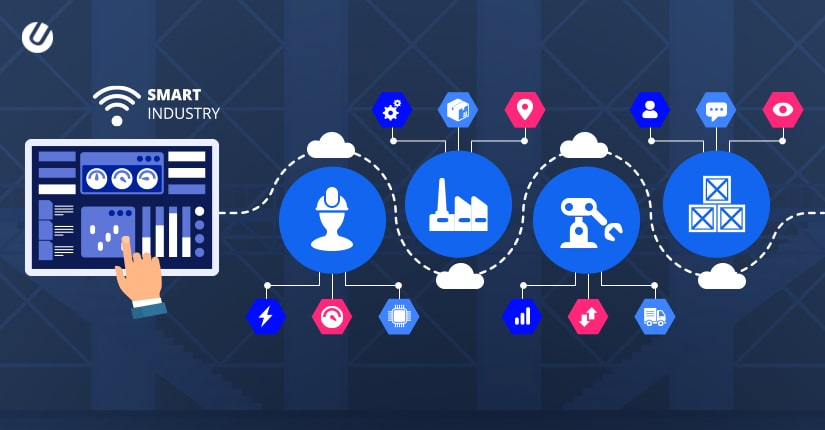
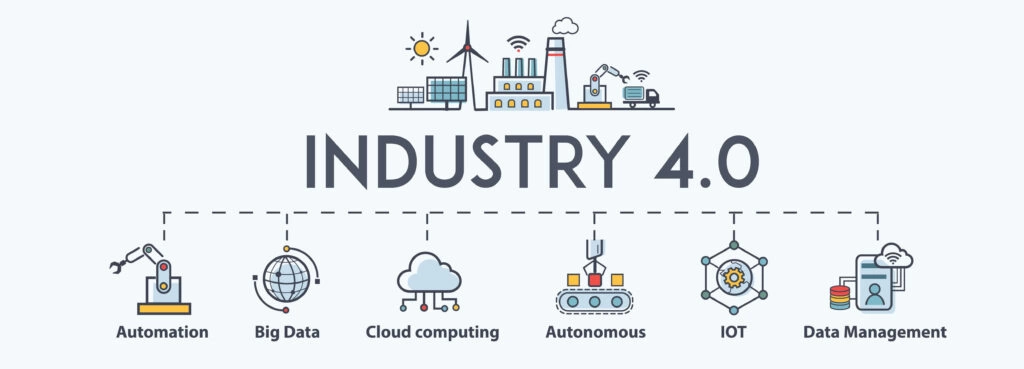
We are on the threshold of the 4th Industrial Revolution on a global scale. This 4th revolution promises to bring the ability to fully integrate the latest technologies such as A.I. (artificial intelligence), big data (big data), and Internet of Things (internet of things)..
Digitalization of production activities
The heart of the 4th industrial revolution is digitizing the entire process from design to production. For example, Adidas plans to replace all of its manufacturing equipment, which can take weeks to calibrate, with 3D printers or other breakthrough manufacturing technology. Adidas has successfully applied the use of 3D printers to produce sports shoes from synthetic fibers and have exact sizes for each customer.
Until recently, the majority of 3D printers were used in manufacturing to create models, test prototypes, etc. A survey conducted in 2014 by PwC and Zpryme showed that only 1% of manufacturers use 3D printers for final production, and only an additional 3% use the technology to create parts that cannot be produced using traditional methods.
However, 3D printing technology has a very bright outlook. The compound annual growth rate (CAGR) of 3D printers through 2019 is expected to be 73%, reaching 5.6 million units. In other words, 3D printing technology will not only become more popular, but will also become cheaper, especially for small and medium-sized companies. In the digitalization of production, data is the lifeblood. The amount of data generated throughout the entire production process – from product development, production, to after-sales service – is enormous. But business technology has not yet caught up to take advantage of this amount of data.
Adapting to the Industrial Revolution 4.0
Many manufacturers in the US and Europe are currently very interested in the 4.0 Industrial Revolution. But the problem is how to adapt to this new concept.
A recent study by Boston Consulting Group (BCG) shows that although up to 90% of manufacturing businesses in the US are aware of the potential of applying digital technology to improve productivity, only 28% see the opportunity. Create new revenue sources from these new technologies.
This limited awareness makes it difficult for businesses to have a comprehensive approach to the 4th industrial revolution. They only apply a few individual technologies without a clear strategy. The implementation process mainly focuses on a few specific areas instead of improving performance for the entire company.
In terms of challenges, 40% said changing company culture is the biggest obstacle when applying the 4.0 technology revolution. Other major obstacles include:
- Lack of connection between departments (20%)
- Changing business model (15%)
Data management solution with Siemens PLM – Teamcenter
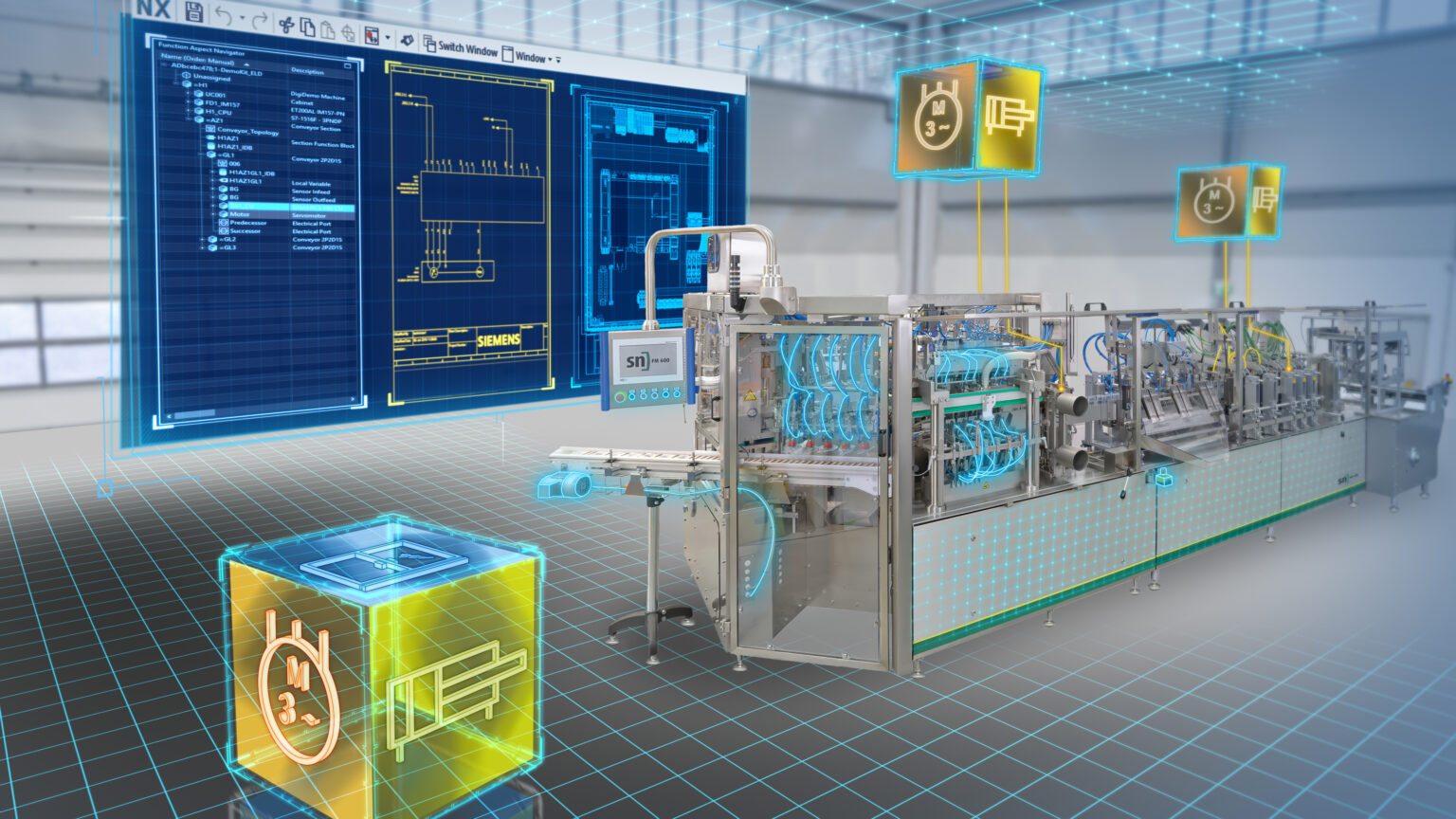
Siemens PLMs includes three product lines: NX (design management software); Teamcenter (product life cycle information management software); Tecnomatix (technical process management software for high-tech, automated industries that rarely use humans, such as: Mining, oil and gas exploration...). In particular, Teamcenter is a necessary solution for most large manufacturing enterprises with many distributed facilities and a wide distribution network thanks to its centralized management function of all information and processes related to products in the industry. throughout life.
With Siemens PLM's Teamcenter solution, it helps manage and optimize all processes in the product life cycle
Design management
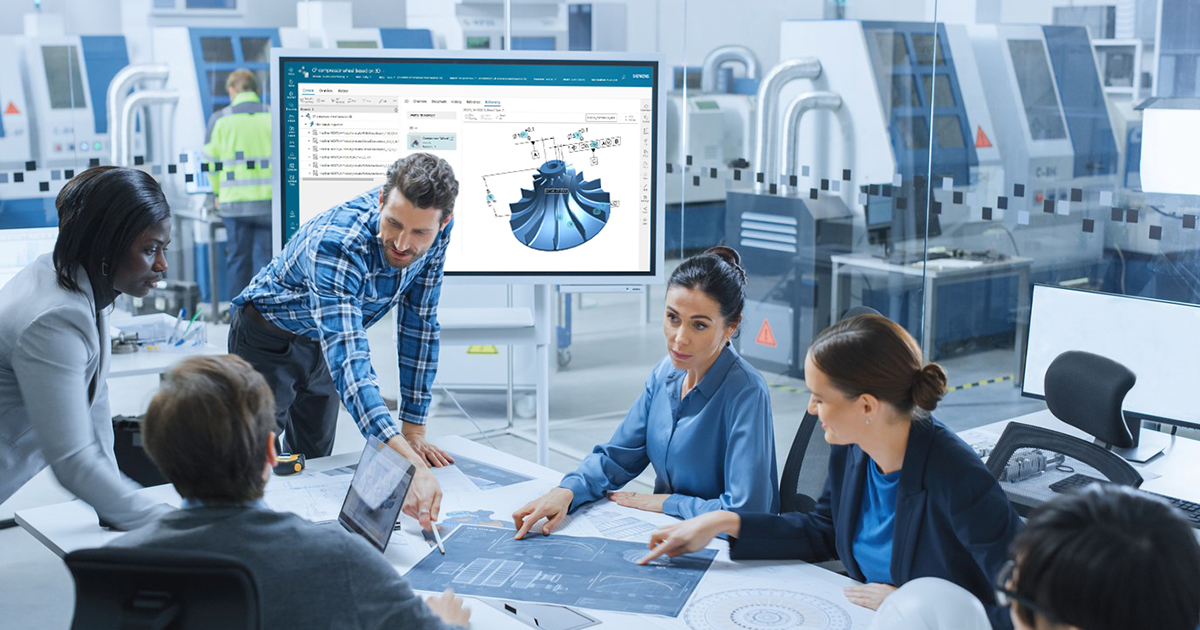
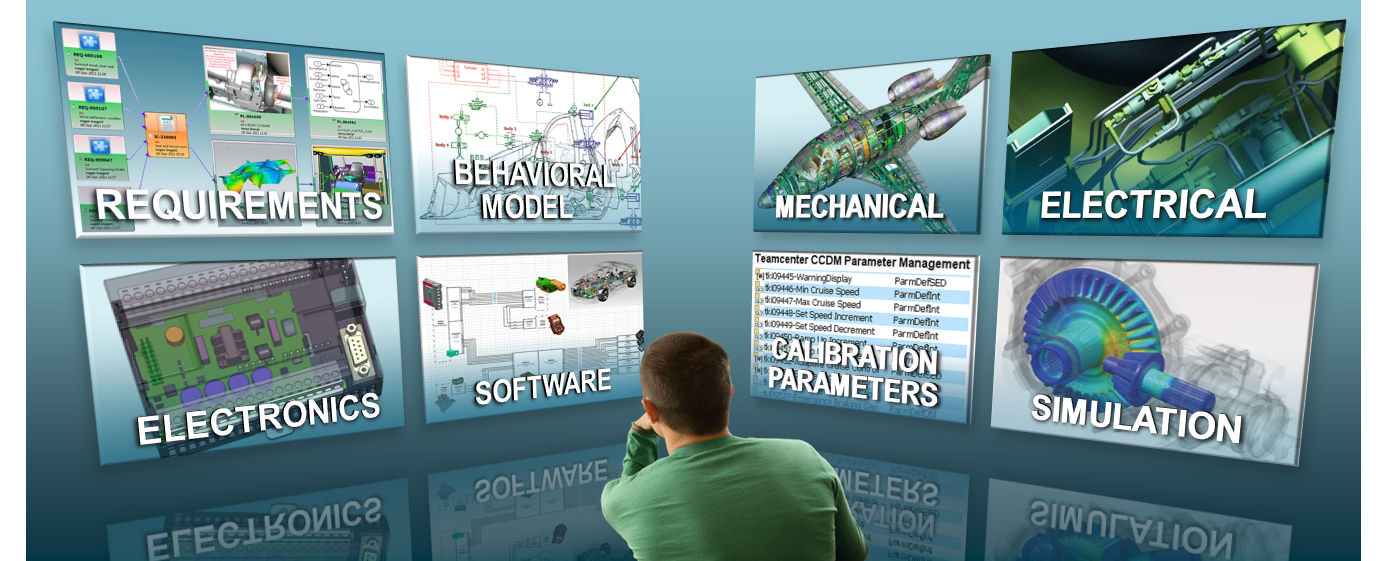
With Teamcenter tools to help manage all data, design information, feedback, corrections, and design approvals with the ability to link data with many sources and many different types of design software. from 3D design data, simulation data, digital data, electrical and electronic design data.... Design teams can interact and coordinate easily and conveniently.
Document Management
With design systems, the management and storage of related document systems is very complex, including both hard copy records and soft copy records, with teamcenter's tools allowing users to manage them. , search, reuse, and approve records easily without having to store cumbersome hard-copy records that are difficult to manage. Simultaneously manage all types of data formats from 3D, 2D, simulation data, pdf, office, image formats... on the same environment interface.
Workflow management
Create and manage workflows that include multiple stages and groups of objects working together. Getting work done is done with adaptive processes to ensure the right workplace and data get to the right people at the right time.
Manage requests from customers
Easily capture, verify, accurately, reliably, and maintain required information throughout the entire product lifecycle.
- Capture requirements and keep them updated with changes made
- Evaluate and adjust project plans to meet requirements
- Ensure requirements are met from design to production and service
- Evaluate the impact of a request for proposal or design change
In addition, teamcenter includes functions for service management, production process management, quality management, product cost management. With its overall diverse capabilities, Teamcenter plays a comprehensive management role. set of product lifecycle processes from the conceptual design stage to the maintenance stage. Optimize process time, optimize production costs...